Newburgh, NY
Urgent CareNewburgh, NY 12550 Call to confirm
Valves & heart failure
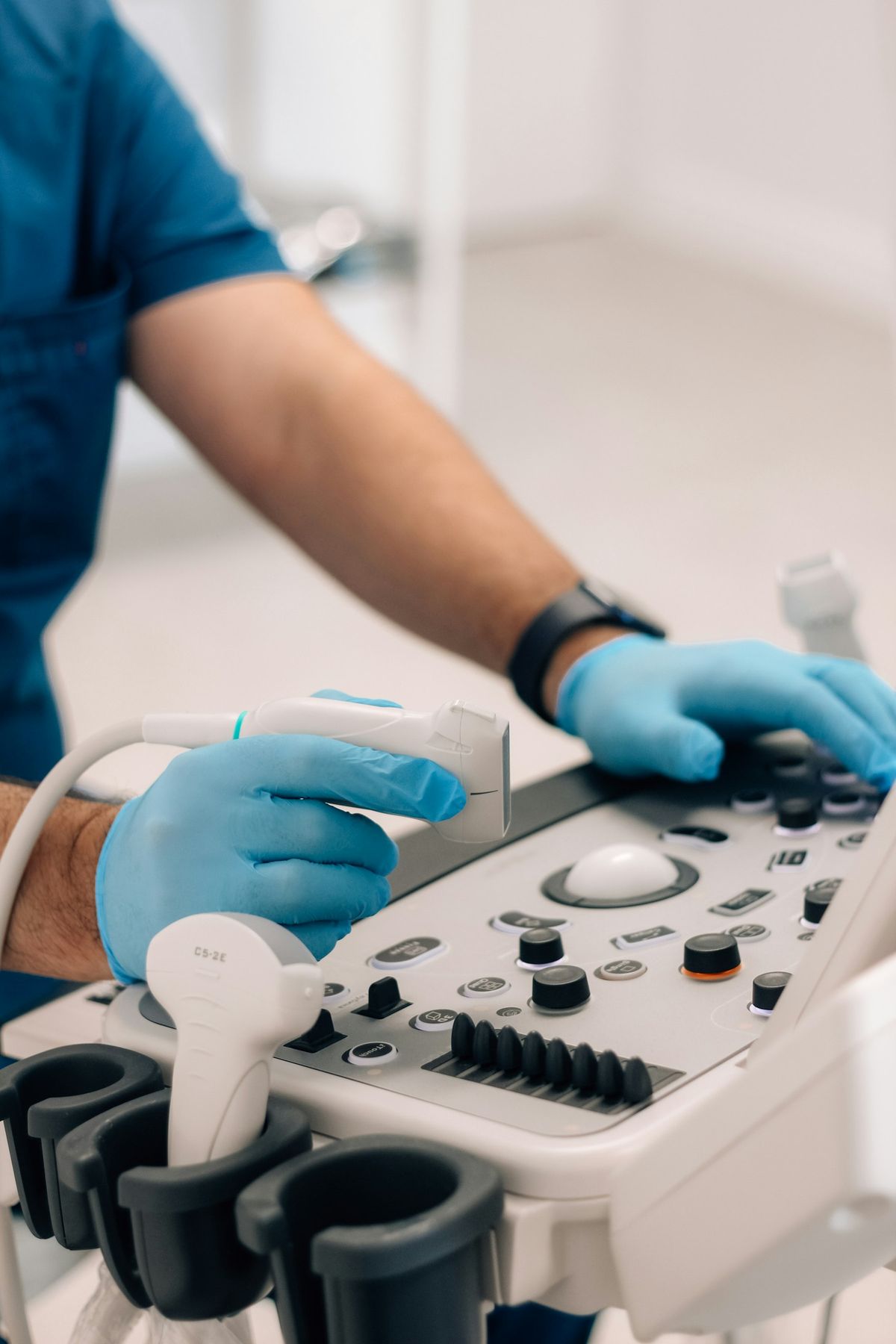
Heart murmur, shortness of breath or swelling? An echocardiogram shows how your valves and heart muscle are working, so problems can be caught early and treated.

Overview
Valvular heart disease happens when one or more of the heart’s four valves doesn’t open or close properly — either too narrow (stenosis) or leaking (regurgitation).
When valves don’t work well, the heart has to pump harder. Over time this extra effort can weaken the heart and lead to congestive heart failure, when the heart can’t pump enough blood to meet the body’s needs.
Treating valve problems early can help prevent heart failure from developing.
What we treat
Symptoms of valve disease and heart failure include:
What’s included
The echocardiogram — a painless ultrasound of the heart — shows:
Your visit
Matched to how severe your valve problem is.
Regular echocardiograms — from every 6–12 months to every few years, depending on severity.
To ease symptoms and reduce strain on the heart.
Including less invasive options such as TAVR when appropriate.
A low-salt diet, regular activity and follow-up visits.
Where available
Offered across our Hudson Valley offices. Availability can vary by office — please call before your visit.
All locations & hoursAvailable tests vary by office — call to confirm before your visit.
FAQs
Can’t find what you’re looking for? Our team is happy to help.
Call or text · 877-EPIC-DOC+1-877-374-2362It depends on severity: mild valve disease may be checked every 3–5 years, moderate every 1–2 years and severe (without symptoms) every 6–12 months. Your cardiologist will set your schedule.
Yes. An echocardiogram can find valve issues early, so your doctor can monitor changes and plan treatment before the heart weakens.
Transcatheter aortic valve replacement is a less invasive way to replace a narrowed aortic valve using a catheter, for appropriate patients.
Trouble breathing with normal activities, swelling in the legs or belly, chest pain, dizziness or fainting, worsening fatigue or changes on your echocardiogram.
We accept most major insurance plans. See our insurance page, or call or text 877-EPIC-DOC and our billing team will help. No insurance? Ask about discounted self-pay rates.
Book online, or call or text 877-EPIC-DOC (+1-877-374-2362). Se habla español.
Related care
Coordinated care without traveling to multiple offices.
View all servicesYour next step
Book a cardiology visit to discuss a murmur, valve disease or heart failure symptoms.
We’re here to help
Same-day sick visits when scheduling permits, certified Urgent Care in Newburgh, and appointments across four Hudson Valley offices.