EKG
A quick test that records your heart’s electrical activity at one point in time.
Heart rhythm & electrophysiology
Palpitations, dizziness or an irregular heartbeat? We use EKGs, Holter and event monitors, loop recorders and pacemaker checks to diagnose and manage arrhythmias, including atrial fibrillation.
Overview
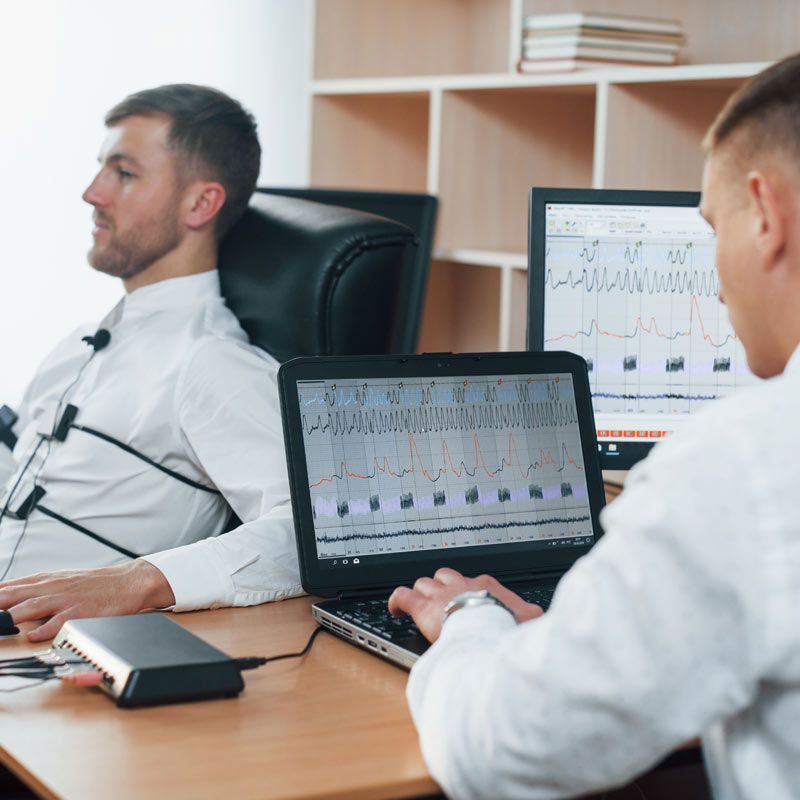
An arrhythmia is an abnormal heartbeat — too fast, too slow or irregular. Some are harmless, but others can increase the risk of stroke, fainting or more serious problems.
Atrial fibrillation (AFib) is the most common serious arrhythmia. It causes the upper chambers of the heart to quiver instead of beating effectively, and it may come and go — which is why monitoring over days or weeks can be needed.
Our rhythm testing helps find the cause of your symptoms and guide treatment.
What we treat
We evaluate:
What’s included
From a quick snapshot to long-term monitoring.
A quick test that records your heart’s electrical activity at one point in time.
A portable EKG worn for 24–48 hours that records every heartbeat during daily life.
Worn for weeks and records when you press a button or when an abnormal rhythm is detected.
A small device under the skin that can monitor your heart continuously for up to three years.
A check of your pacemaker or defibrillator’s function, battery and stored rhythm data.
A hospital-based test that maps the heart’s electrical system when other tests haven’t given clear answers.
Your visit
Finding the pattern behind your symptoms.
We review your symptoms, triggers and history.
A quick snapshot of your heart rhythm.
A Holter, event monitor or loop recorder if symptoms come and go.
Medication, procedures or device care based on your results.
Where available
Offered across our Hudson Valley offices. Availability can vary by office — please call before your visit.
All locations & hoursAvailable tests vary by office — call to confirm before your visit.
FAQs
Can’t find what you’re looking for? Our team is happy to help.
Call or text · 877-EPIC-DOC+1-877-374-2362AFib is an irregular, often rapid heartbeat in which the upper chambers of the heart quiver instead of beating effectively. It can increase the risk of stroke and may cause fatigue, dizziness or shortness of breath.
A Holter monitor records every heartbeat for 24–48 hours. An event monitor is worn longer — usually weeks — and records when you have symptoms or when it detects an abnormal rhythm.
Yes. Pacemaker interrogation checks how your device is working, its battery life and any rhythms it has recorded.
See a provider for palpitations that are frequent, long-lasting or come with dizziness, fainting, chest pain or shortness of breath. Call 911 for severe symptoms.
We accept most major insurance plans. See our insurance page, or call or text 877-EPIC-DOC and our billing team will help. No insurance? Ask about discounted self-pay rates.
Book online, or call or text 877-EPIC-DOC (+1-877-374-2362). Se habla español.
Related care
Coordinated care without traveling to multiple offices.
View all servicesYour next step
Book a heart rhythm evaluation with our cardiology team.
We’re here to help
Same-day sick visits when scheduling permits, certified Urgent Care in Newburgh, and appointments across four Hudson Valley offices.