Prevention
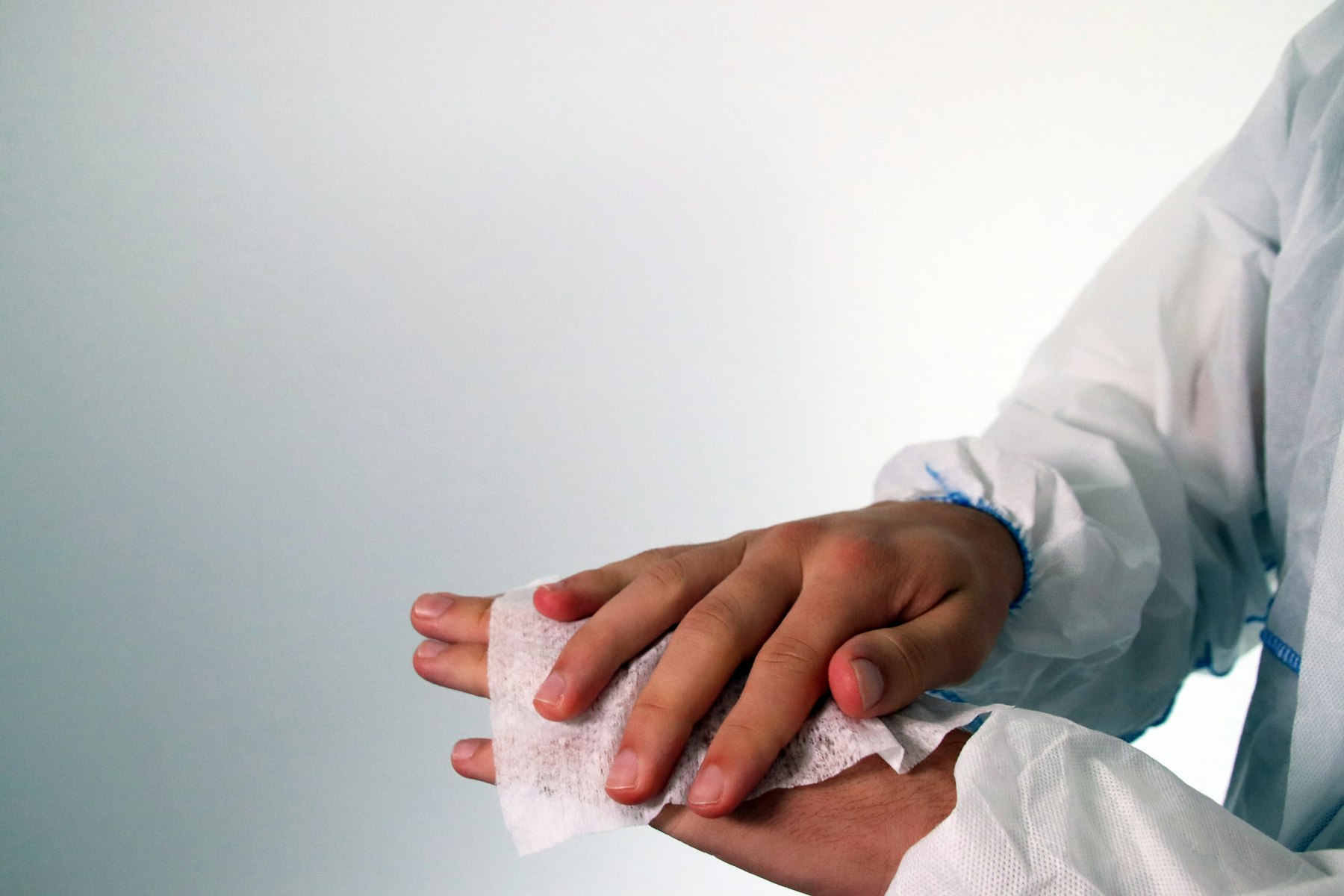
A personalized plan to reduce your risk, including quitting smoking, regular exercise and medication management.
Vascular health
Leg pain when walking, cold feet or wounds that won’t heal can be signs of poor circulation. We diagnose PAD early and offer treatment that keeps you moving.
Overview
Peripheral artery disease occurs when arteries — especially in the legs — narrow because of plaque buildup. Reduced blood flow can cause pain, cramping, numbness and wounds that don’t heal.
Recognizing PAD matters: it is associated with increased cardiovascular risk and is often overlooked. With early diagnosis and proper treatment, most artery conditions are manageable.
Treatment ranges from lifestyle changes and medication to minimally invasive procedures that restore blood flow.
What we treat
See a provider if you notice:
What’s included
Prevention, diagnosis and treatment in one practice.
A personalized plan to reduce your risk, including quitting smoking, regular exercise and medication management.
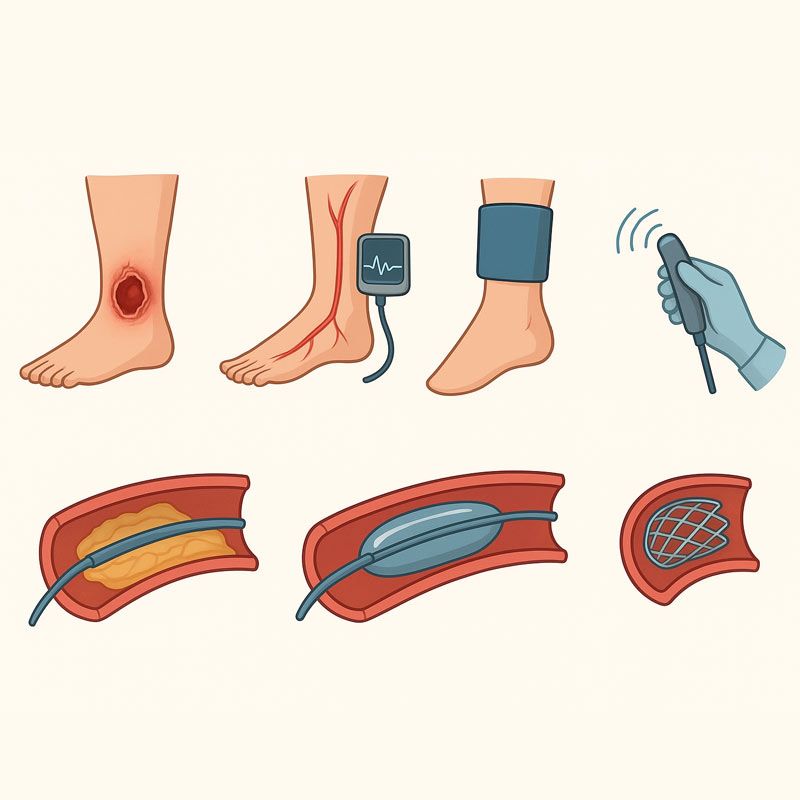
The ankle-brachial index compares ankle and arm blood pressure — often the first test for PAD.
Pulse volume recording measures blood flow in the legs without dye or radiation.
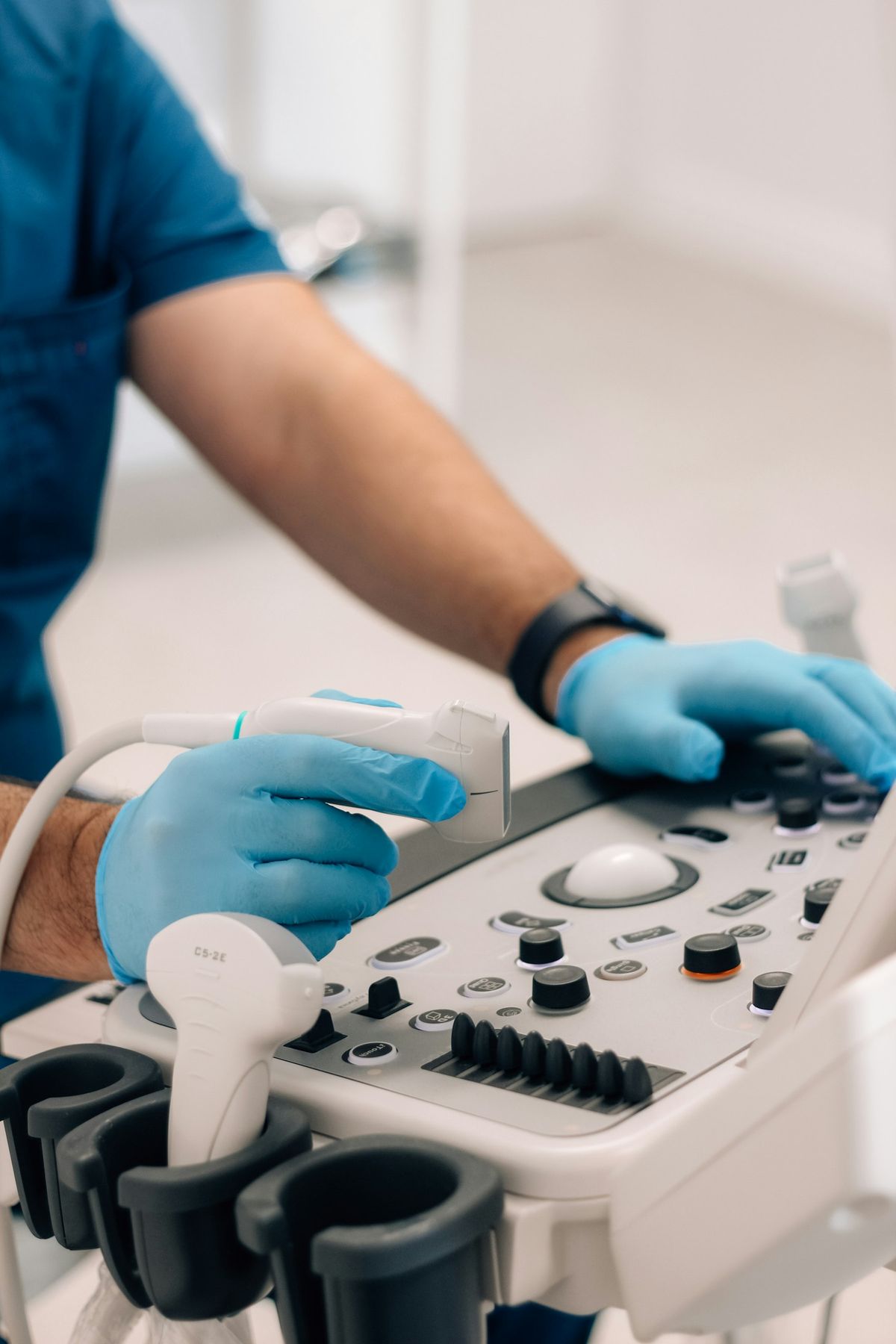
Ultrasound images show exactly where arteries are narrowed or blocked.
A balloon widens the narrowed artery; a stent can help keep it open.
A catheter-based procedure that removes plaque from inside the artery.
Your visit
Simple, non-invasive testing first.
We review your symptoms, risk factors and medical history.
ABI, PVR and arterial Doppler ultrasound check blood flow.
Lifestyle changes, medication or a procedure, depending on severity.
Ongoing monitoring of circulation and wound healing.
Patient education
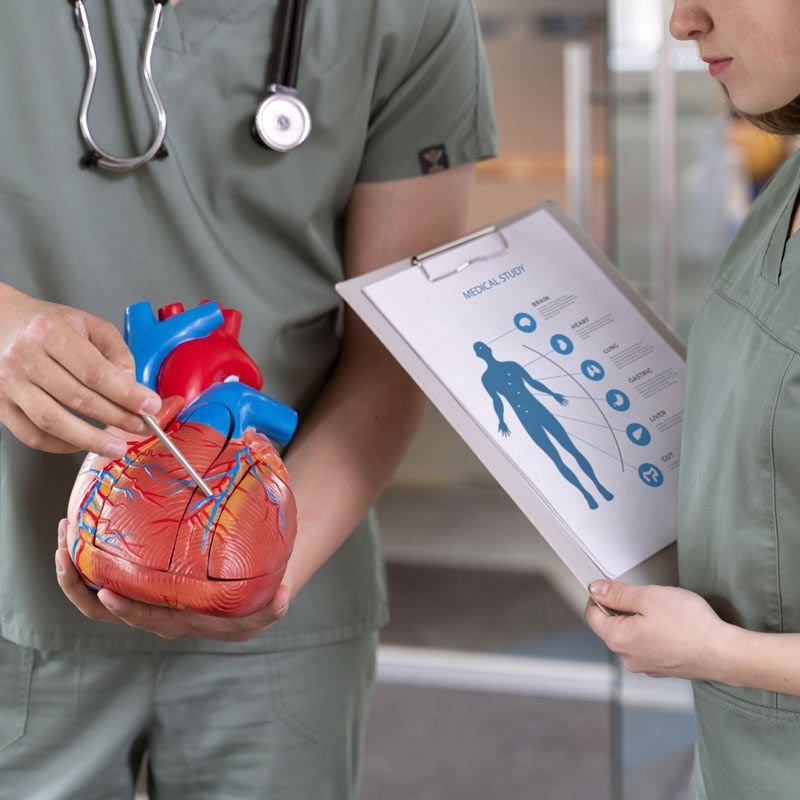
“Patients with peripheral artery disease are frequently overlooked, but PAD is known to carry a significantly increased risk of cardiovascular mortality.” Understanding the condition, its symptoms and its potential complications is an important part of vascular care.
Where available
Offered across our Hudson Valley offices. Availability can vary by office — please call before your visit.
All locations & hoursAvailable tests vary by office — call to confirm before your visit.
FAQs
Can’t find what you’re looking for? Our team is happy to help.
Call or text · 877-EPIC-DOC+1-877-374-2362The ankle-brachial index (ABI) — a simple, non-invasive test comparing blood pressure in your ankle and arm — is often the first test used to screen for PAD.
No. Pain or cramping in the legs that starts with walking and eases with rest (claudication) can be a sign of PAD and should be evaluated.
Treatment may include lifestyle changes, medication to improve circulation and, in more severe cases, minimally invasive procedures such as angioplasty, stenting or atherectomy.
Yes. Severely reduced blood flow can cause painful wounds on the toes, feet or ankles that are slow to heal. Restoring blood flow is essential for healing.
We accept most major insurance plans. See our insurance page, or call or text 877-EPIC-DOC and our billing team will help. No insurance? Ask about discounted self-pay rates.
Book online, or call or text 877-EPIC-DOC (+1-877-374-2362). Se habla español.
Related care
Coordinated care without traveling to multiple offices.
View all servicesYour next step
Book a PAD evaluation with our vascular team.
We’re here to help
Same-day sick visits when scheduling permits, certified Urgent Care in Newburgh, and appointments across four Hudson Valley offices.