Venous Doppler ultrasound
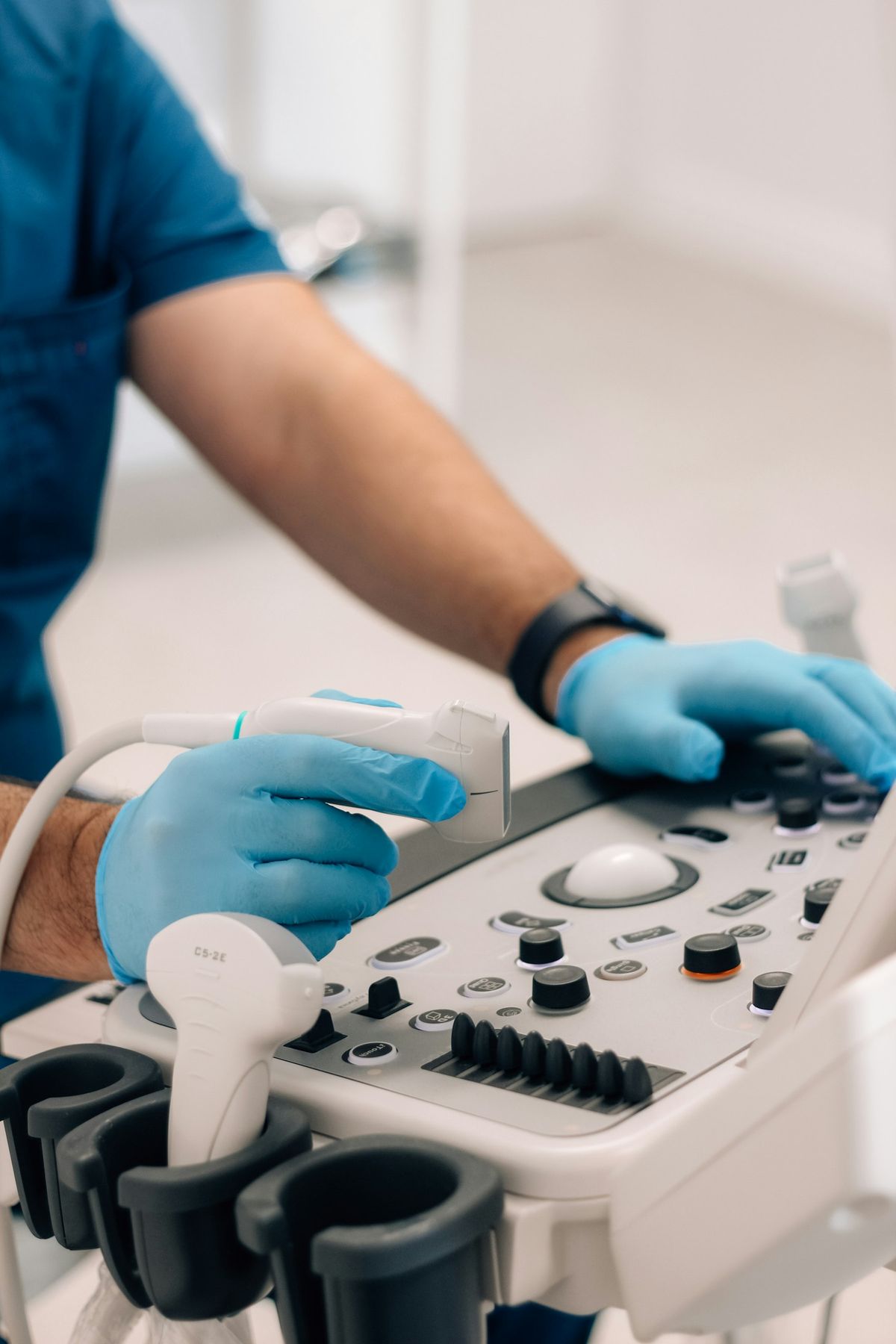
Sound waves show whether blood flow in your veins is blocked or slowed — often a sign of a clot.
DVT & venous testing
Swelling in one leg, pain or warmth can be signs of a deep vein blood clot. Venous Doppler ultrasound, venogram and clot treatment help detect and manage clots early.
If you think you may be having a medical emergency, call 911.
Overview
Deep vein thrombosis is a blood clot in a deep vein, usually in the leg. If part of the clot breaks off and travels to the lungs, it can cause a pulmonary embolism — a medical emergency.
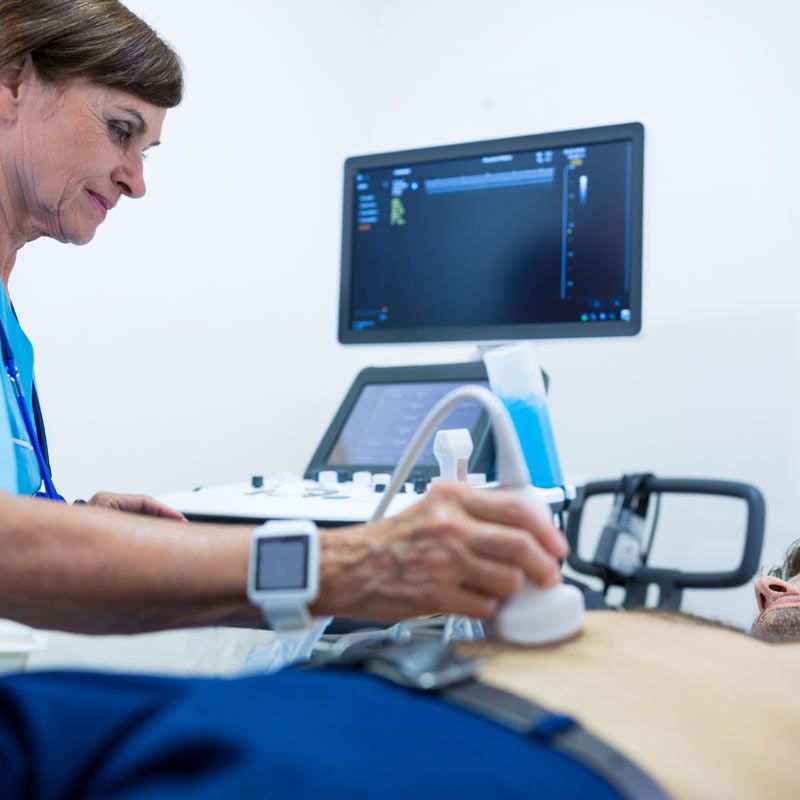
Venous Doppler ultrasound is the first and most common test used to diagnose DVT. It’s painless and non-invasive.
Blood thinners are the first-line treatment. In severe cases, clot aspiration or clot-dissolving medication may be needed to remove the clot and restore blood flow.
What we treat
Know the signs:
What’s included
Tools to find and treat vein clots.
Sound waves show whether blood flow in your veins is blocked or slowed — often a sign of a clot.
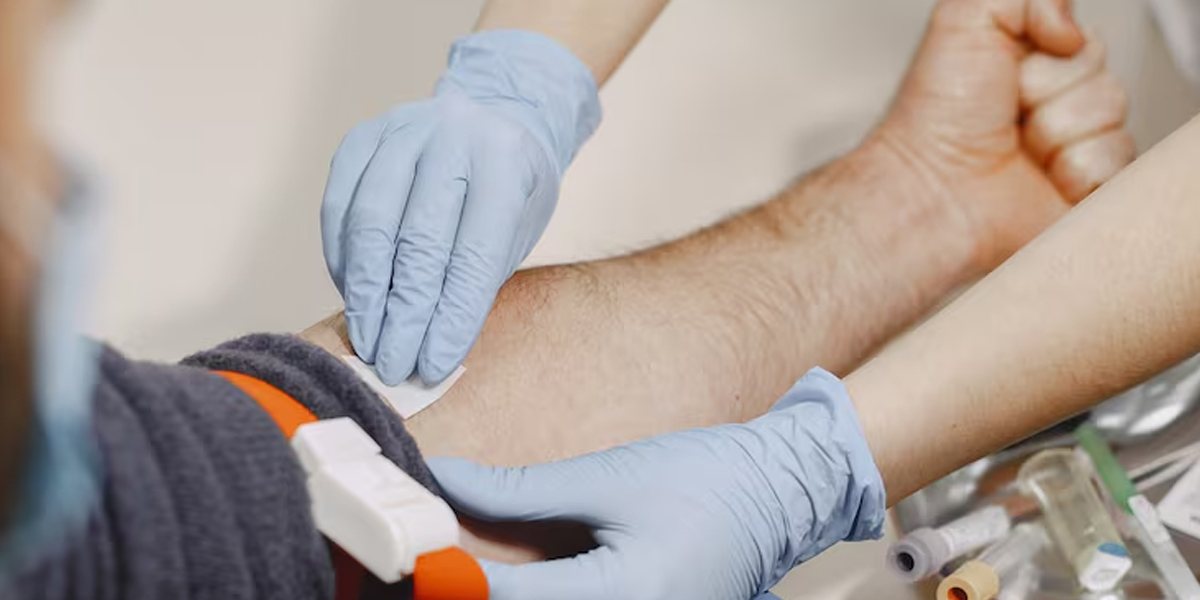
A special X-ray with contrast dye that maps veins in detail when ultrasound results are unclear or before a procedure.
Anticoagulant medication to stop a clot from growing, with monitoring.
A minimally invasive procedure to remove a large or severe clot and restore blood flow.
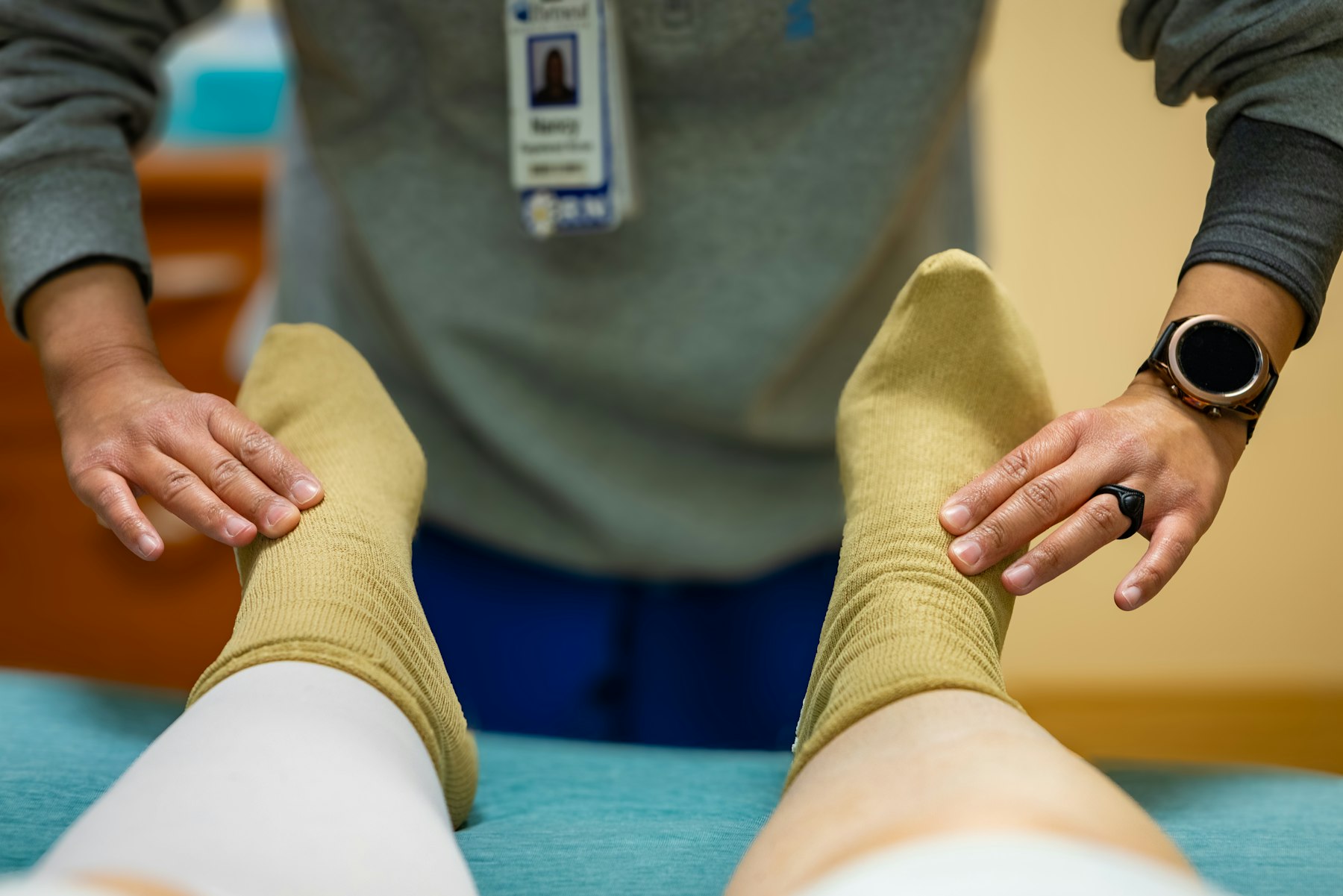
We review your symptoms and risk factors and examine your legs.
A painless ultrasound checks for clots.
Blood thinners, or a procedure for severe clots.
Monitoring to make sure the clot resolves and to prevent complications.
Where available
Offered across our Hudson Valley offices. Availability can vary by office — please call before your visit.
All locations & hoursAvailable tests vary by office — call to confirm before your visit.
FAQs
Can’t find what you’re looking for? Our team is happy to help.
Call or text · 877-EPIC-DOC+1-877-374-2362Swelling (usually in one leg), pain or tenderness, warmth and redness. If you also have sudden shortness of breath or chest pain, call 911 — these can be signs of a pulmonary embolism.
Venous Doppler ultrasound is the first and most common test. A venogram may be used when more detail is needed.
Blood thinners are the first-line treatment. In severe cases, clot aspiration or clot-dissolving medication may be used.
Long-term leg pain, swelling and skin changes that can follow a DVT. Prompt treatment helps lower the risk.
We accept most major insurance plans. See our insurance page, or call or text 877-EPIC-DOC and our billing team will help. No insurance? Ask about discounted self-pay rates.
Book online, or call or text 877-EPIC-DOC (+1-877-374-2362). Se habla español.
Related care
Coordinated care without traveling to multiple offices.
View all servicesYour next step
Book a venous evaluation — for sudden shortness of breath or chest pain, call 911.
We’re here to help
Same-day sick visits when scheduling permits, certified Urgent Care in Newburgh, and appointments across four Hudson Valley offices.